Creating great surface pattern designs is only one part of building a successful design business.
You also need somewhere professional to showcase your work, a strong portfolio, a way for buyers to access your designs and most importantly a strategy for actually getting those buyers through the door.
Rather than trying to do everything at once, break your launch into four manageable stages.
Over your first 30 days, focus on:
- Building your online presence.
- Creating a strong online portfolio.
- Connecting with potential print buyers.
- Promoting your work consistently.
Here’s how.
Week 1: Build Your Online Shop/Portfolio.

Week one is all about establishing a strong online presence for your studio - through social media, your own website and, most importantly, an online shop. Creating beautiful prints is one thing, but how are buyers going to discover them - and eventually purchase them - if they don't have somewhere to go?
Create a recognisable studio identity: Print buyers are visual people, just like designers, so everything you put out into the world should reflect the quality and personality of your work. Focus on building a clear and consistent personal brand across your website, shop and social media. This doesn't need to be complicated. Start with a consistent colour palette, a small selection of fonts and a recognisable visual style.
The goal is for buyers to begin recognising your studio before they've even read your name. Whether they see an Instagram post, receive an email or visit your website, it should immediately feel like you.
Build an online shop designed for surface pattern: When you're selling surface pattern designs, a standard e-commerce shop doesn't always cut it. Print studios have specific requirements that traditional online shops simply aren't built for. For example, you may need to:
- Protect your designs behind a password-protected customer area.
- Control which buyers can access your collection.
- Automatically remove designs from customer areas once they're sold.
- Display clear pricing based on a customer's location.
- Organise and showcase a large catalogue of designs.
- Manage customers and sales securely.
This is where The Pattern Cloud comes in, The Pattern Cloud has been developed specifically around the way surface pattern designers and print studios work.
Instead of trying to piece together multiple platforms, you can create a secure online storefront, manage your customers, showcase your latest designs and handle the sales process all in one place.
It gives your buyers somewhere professional to browse your collection while giving you the tools you need behind the scenes to manage and grow your studio.
Key Takeaway: Your goal by the end of Week 1: Have a professional and recognisable online presence - and somewhere you'd feel confident sending your next print buyer.
Week 2: Build a Surface Pattern Portfolio Buyers Want to Explore.
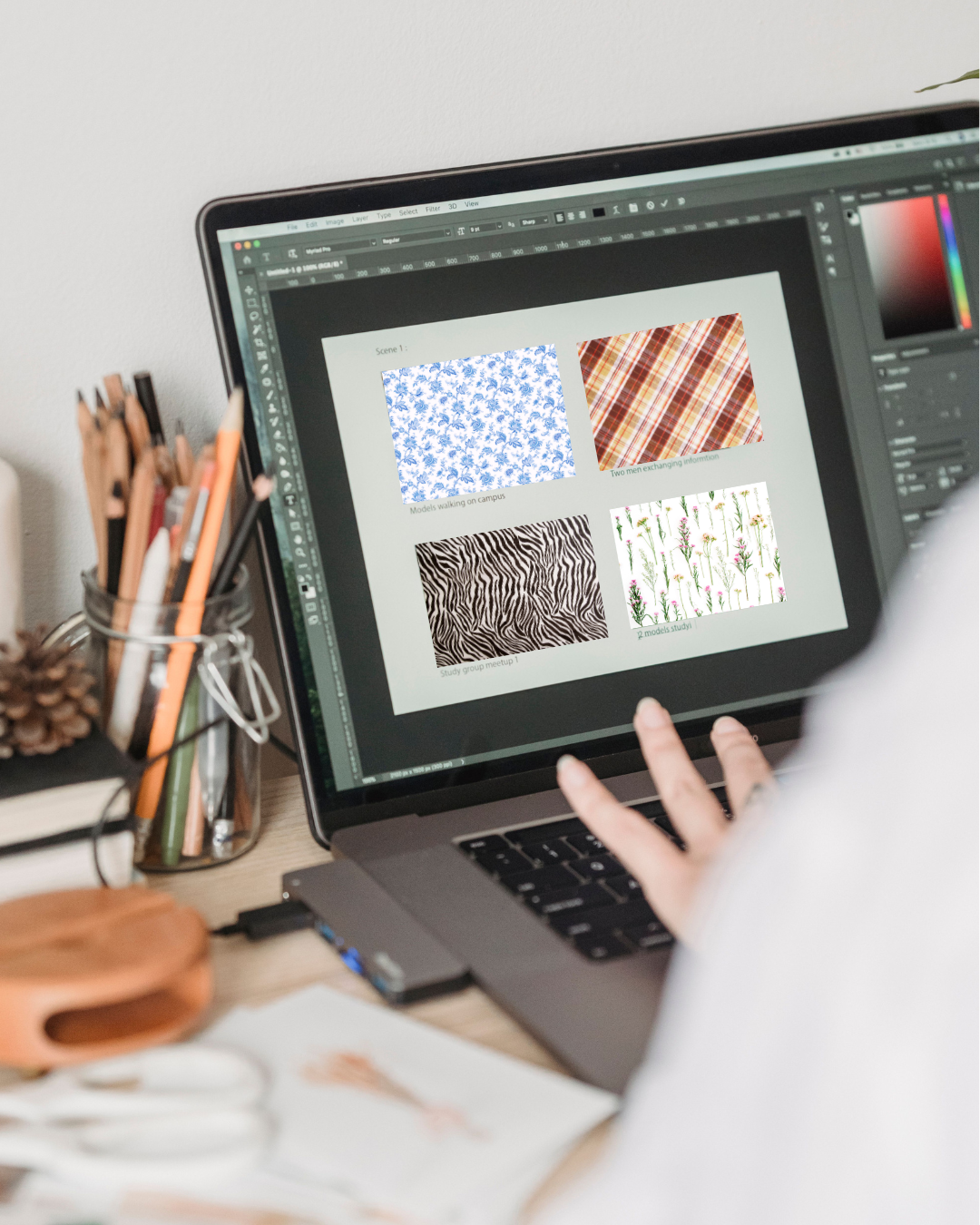
Now that you've created a professional online presence, week two is all about the most important part - your designs! Your online portfolio should give buyers a clear understanding of your studio's style while offering enough variety to keep them browsing. You want a buyer to land on your shop, find a design they love and then discover plenty more that could work for their collections.
Start with your strongest work:. When you're building your portfolio, it can be tempting to upload everything you've ever created, but quality should always come before quantity. If you're just starting out, aim to launch your online shop with around 20 - 30 of your strongest designs. This gives buyers enough to explore while allowing you to build your collection over time. For established studios with a larger back catalogue, focus on getting as much of your current, commercially relevant work online as possible. The easier it is for buyers to access your collection, the more opportunities you have to make a sale.
Make your designs easy to discover: Think about how a buyer actually shops for prints. They might be looking for florals, stripes, conversationals or animal prints. They could be searching for a particular colour, season, trend or product category.Organising and tagging your designs correctly makes it much easier for buyers to find exactly what they're looking for. Create collections around relevant trends, seasons, themes and categories, and make sure your designs include accurate keywords and tags. Not only does this create a better experience for buyers, but it also makes a large portfolio feel much easier to navigate.
Help buyers visualise your designs: Sometimes a buyer needs a little help seeing the potential in a print. Using product mockups allows you to show how a design could translate onto clothing, accessories, interiors or other products. This can instantly give your portfolio more context and help bring your designs to life. With The Pattern Cloud, designs can be viewed on interchangeable mockups, helping buyers visualise how a print could work for their next collection without you having to create endless mockups yourself.
Keep your portfolio fresh: Your portfolio shouldn't be something you build once and forget about. Regularly uploading new work gives buyers a reason to keep coming back and shows that your studio is active and creating fresh, relevant designs. Try creating a realistic upload schedule that works for you. Whether that's a few new designs every week or a larger collection each month, consistency is more important than uploading everything at once. Over time, you can also use buyer activity and analytics to understand which designs are attracting attention and use those insights to influence what you create, promote and curate next.
Key Takeaway: Your goal by the end of Week 2 is to have a strong, well-organised portfolio of designs that showcases your studio's identity, is easy for buyers to explore and gives them plenty of reasons to keep browsing.
Week 3: Start Finding and Connecting With Print Buyers.

You've built your online presence, your portfolio is looking great, and now it's time to get it in front of the right people. Week three is all about finding print buyers and building relationships with them.
Having an amazing portfolio is important, but you can't rely on buyers simply stumbling across it. A big part of running a successful surface pattern studio is actively putting your work in front of the people who are most likely to buy it.
Start with the buyers you already know: If you've been working in the industry for a while, your existing contacts are the best place to start. Reach out to previous customers, buyers you've met at trade shows and anyone who has shown an interest in your work before. Let them know where they can now view your latest designs online and give them a reason to take another look at your collection.
If you're just starting out and don't have an existing customer base, don't panic! Start small and focus on finding 5 - 10 relevant buyers or brands that genuinely suit your design style.
Where can you find print buyers? There are plenty of ways to start building your network online. LinkedIn is one of the best places to begin, allowing you to search for people working within the brands you'd love to sell to.
Look for roles such as:
- Print Buyers
- Textile Designers
- Print Designers
- Product Designers
- Buyers
- Creative Directors
- Product Developers
Instagram can also be a great way to discover brands and understand their aesthetic, while trade shows, referrals and your existing industry network can all help you make valuable connections.
The key is to focus on relevant buyers rather than simply collecting as many contacts as possible. If your studio specialises in childrens wear prints, for example, your time is much better spent building relationships with childrens wear brands than contacting hundreds of unrelated companies.

Make your outreach personal: Buyers receive a lot of emails, so avoid sending the same generic message to everyone.
Do a little research before reaching out. Look at the brand's latest collections, think about the types of prints they use and consider which of your designs could genuinely work for them.
Instead of simply saying:
"Here's my website, take a look!"
Try approaching them with:
"I've put together a small selection of prints that I thought could work really well for your upcoming collections."
You're immediately giving the buyer a reason to click while showing that you've taken the time to understand what they're looking for.
Make it easy for buyers to browse: The fewer steps a buyer has to take to see relevant designs, the better. With The Pattern Cloud, you can create individual customer accounts and curated pinboards of designs specifically for each buyer. Rather than sending someone into your entire portfolio, you can send them directly to a selection you've created with their brand, product category or trend in mind. As buyers begin exploring your shop, you can also use customer activity and analytics to understand what they're engaging with, helping you make your future outreach even more relevant.
Build relationships, not just a contact list: Finding a buyer's email address is only the beginning.Keep track of who you've contacted, what they're looking for and when you last spoke. Follow up, share new designs that are genuinely relevant and continue nurturing the relationship even if they don't purchase immediately. A buyer who isn't looking for prints today could be exactly the person who needs your designs in a few months' time.
Key Takeaway: Your goal by the end of Week 3 is to start building a network of relevant print buyers, introduce them to your online portfolio and begin creating genuine relationships that can lead to future sales.
Week 4: Promote Your Surface Pattern Designs:

You've built your online presence, created a portfolio you're proud of and started connecting with print buyers. Now it's time to make sure they keep coming back!
Week four is all about promoting your surface pattern designs and keeping your studio at the front of buyers' minds. Marketing doesn't have to mean constantly pushing for a sale. Instead, think of it as regularly giving buyers a reason to return to your shop, discover your latest work and remember your studio when they're next looking for prints.
Use social media to showcase your studio: As a surface pattern designer, you have one major advantage when it comes to social media - your work is naturally visual. Platforms like Instagram and Pinterest are perfect for showcasing your designs, while LinkedIn can help you connect directly with people working within the fashion, interiors and wider design industries. But don't just post finished prints. Give buyers a reason to follow your studio by showing more of the story behind your work.
Try sharing:
- New designs and collections
- Sketches and works in progress
- Different colourways
- Product mockups
- Trend and colour inspiration
- Behind-the-scenes studio content
- Your creative process
The aim is to create a recognisable online presence that regularly reminds buyers what your studio has to offer.
Get your designs into buyers' inboxes: Email marketing is one of the best ways to bring existing customers back to your online shop. Instead of waiting for buyers to remember to check for new work, take the new designs directly to them. Your emails could feature your latest uploads, a new collection, seasonal designs, trend-led edits or a curated selection around a particular product category.
You don't need to send an email every day. Find a schedule you can realistically maintain and focus on providing something worth clicking on.
Most importantly, always include a clear link back to your online shop so buyers can easily continue browsing.
Make your marketing personal: Remember all those buyer connections you started making in Week 3? Now you can start using what you've learned about them.
If you know a particular buyer is looking for florals, don't send them an email filled with stripes. If another customer regularly works on childrenswear, send them the designs that are actually relevant to their product area. With The Pattern Cloud, you can create personalised pinboards for individual customers and use your Customer Activity Logs to see how buyers are interacting with your shop. If you notice a buyer viewing particular designs, collections or styles, use that information to make your next conversation more relevant.
Consistency is key: The most important thing to remember is that marketing your surface pattern studio isn't something you do once. You don't need to be everywhere, every day. Instead, choose a few channels that work for you and show up consistently.

Keep uploading. Keep sharing. Keep reaching out. Keep reminding buyers that your studio is there.
Over time, those small and consistent marketing efforts can build stronger buyer relationships, increase traffic to your portfolio and, ultimately, create more opportunities to sell your designs.
Key Takeaway: Your goal by the end of Week 4 is to have a simple and consistent marketing routine that regularly puts your designs in front of buyers and gives them a reason to return to your online shop.
What Happens After Your First 30 Days?
Your first 30 days are all about building strong foundations - now it's time to keep the momentum going!
Continue uploading new designs, connecting with buyers, promoting your work and paying attention to what your customers are engaging with. Use these insights to guide what you create, curate and promote next.
The key is consistency. Create a simple weekly routine that works for your studio and keeps your portfolio active and in front of the right buyers.
Remember, not every buyer will be ready to purchase straight away. Keep nurturing those relationships and giving them reasons to come back.
Your first 30 days get you started. What you do next is what helps your studio grow.
How The Pattern Cloud Helps You Sell Surface Patterns Online:
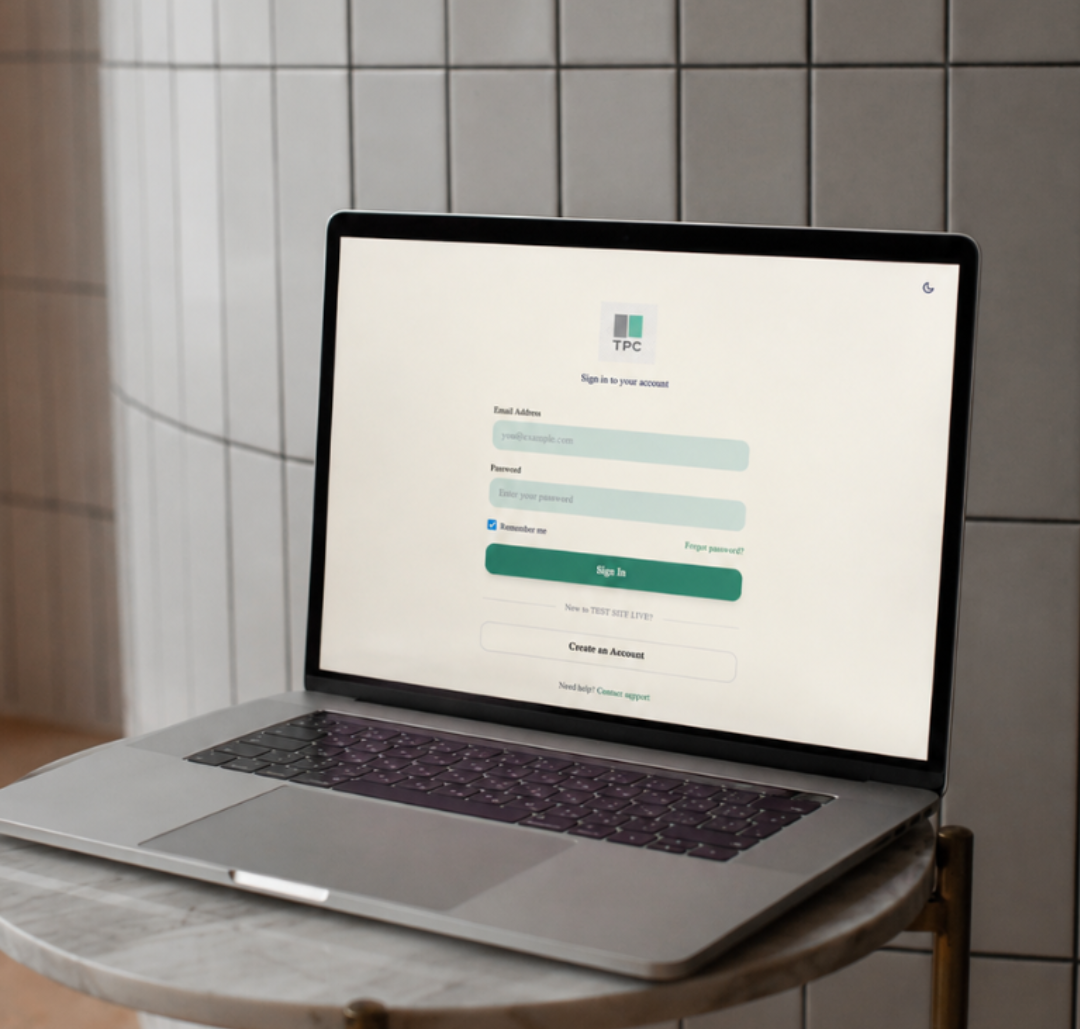
Running a successful surface pattern studio involves much more than creating beautiful designs. You also need to manage your portfolio, connect with buyers, market your work and make the buying process as easy as possible.
That's exactly what The Pattern Cloud was built for.
Designed specifically for surface pattern designers and print studios, The Pattern Cloud gives you the tools to manage your business and sell your designs online, all in one place.
From a secure, password-protected online shop and customer management to pinboards, mockups, buyer analytics, invoicing and file delivery, everything has been designed around the way the surface pattern industry works.
You can also connect your studio to The Design Agent, giving your designs another opportunity to be discovered and purchased by print buyers around the world. You focus on creating the designs. The Pattern Cloud gives you the tools to run the business behind them.
Ready to Start Selling Your Surface Pattern Designs Online?
Building a successful surface pattern design business doesn't happen overnight, but getting the right foundations in place can make selling and managing your work considerably easier.
The Pattern Cloud gives surface pattern designers and print studios the tools to showcase designs professionally, manage customers, understand buyer activity and sell their work online.
Ready to get started?