

With so many surface pattern styles available today, it’s easy to feel overwhelmed by the sheer number of creative directions you can take. Whether you’re a new designer learning the foundations or an experienced creative looking for fresh commercial inspiration, understanding pattern structure is key to designing with confidence.
In this comprehensive guide, we break down the most widely used repeat structures, layout types, and motif categories used across the surface pattern and textile design industry. Think of this as your roadmap to creating patterns that not only look beautiful but are designed with real-world application and sales potential in mind - helping you move from creative uncertainty to confident, strategic design decisions.
The Different Types of Repeat Patterns Explained:
A repeat pattern is a design arranged so it can be tiled continuously without visible seams or breaks. Designers use repeat patterns to create a sense of flow, consistency, and rhythm across a surface. There are seven common methods used to construct repeating patterns, each producing a distinct visual effect and layout.
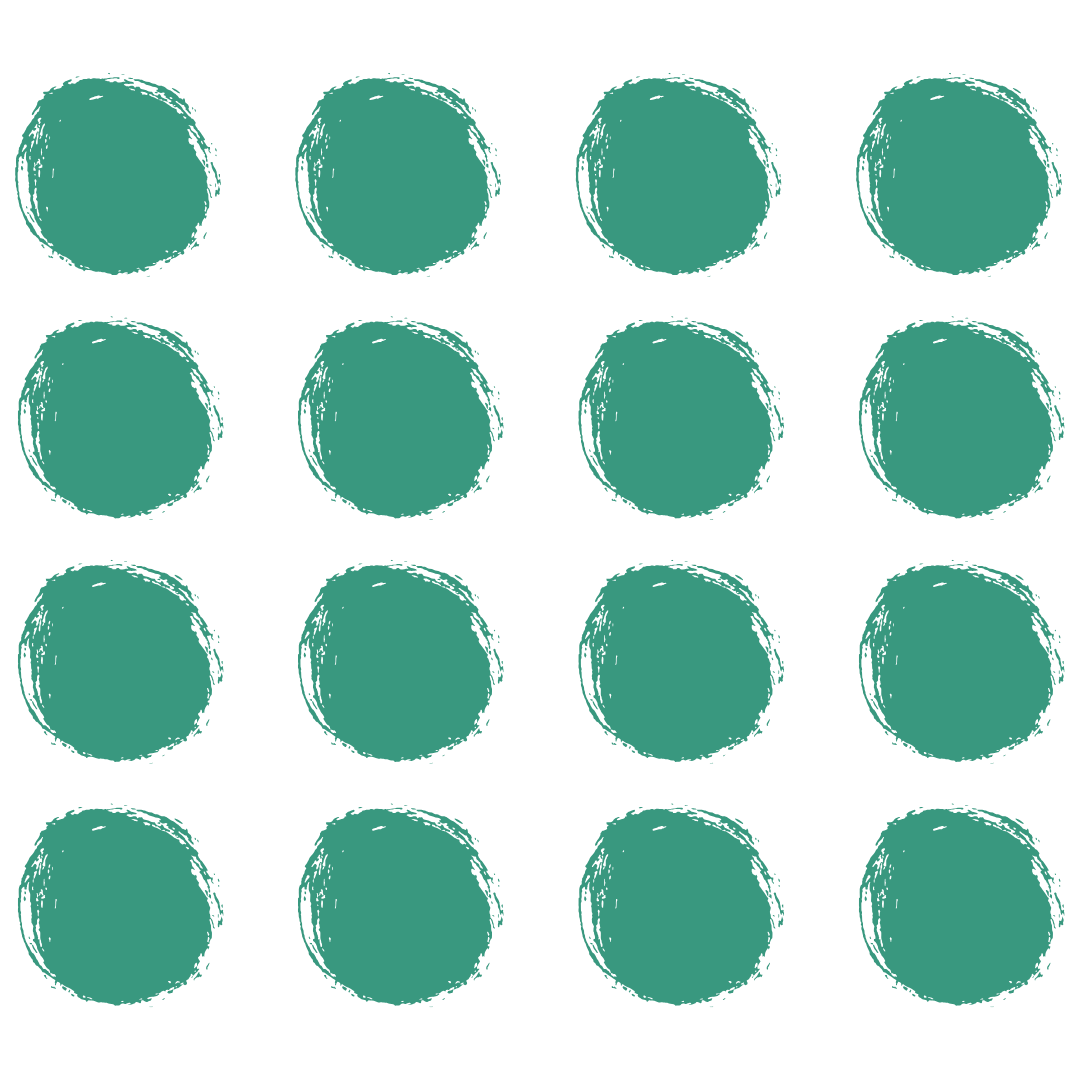
- Block repeat: The most common type of repeat places motifs on a simple grid, where each unit repeats directly above, below, and beside the next. This straightforward structure is easy to construct and works especially well for simple motifs or bold geometric designs. However, if used excessively or without variation, it can feel rigid or predictable.
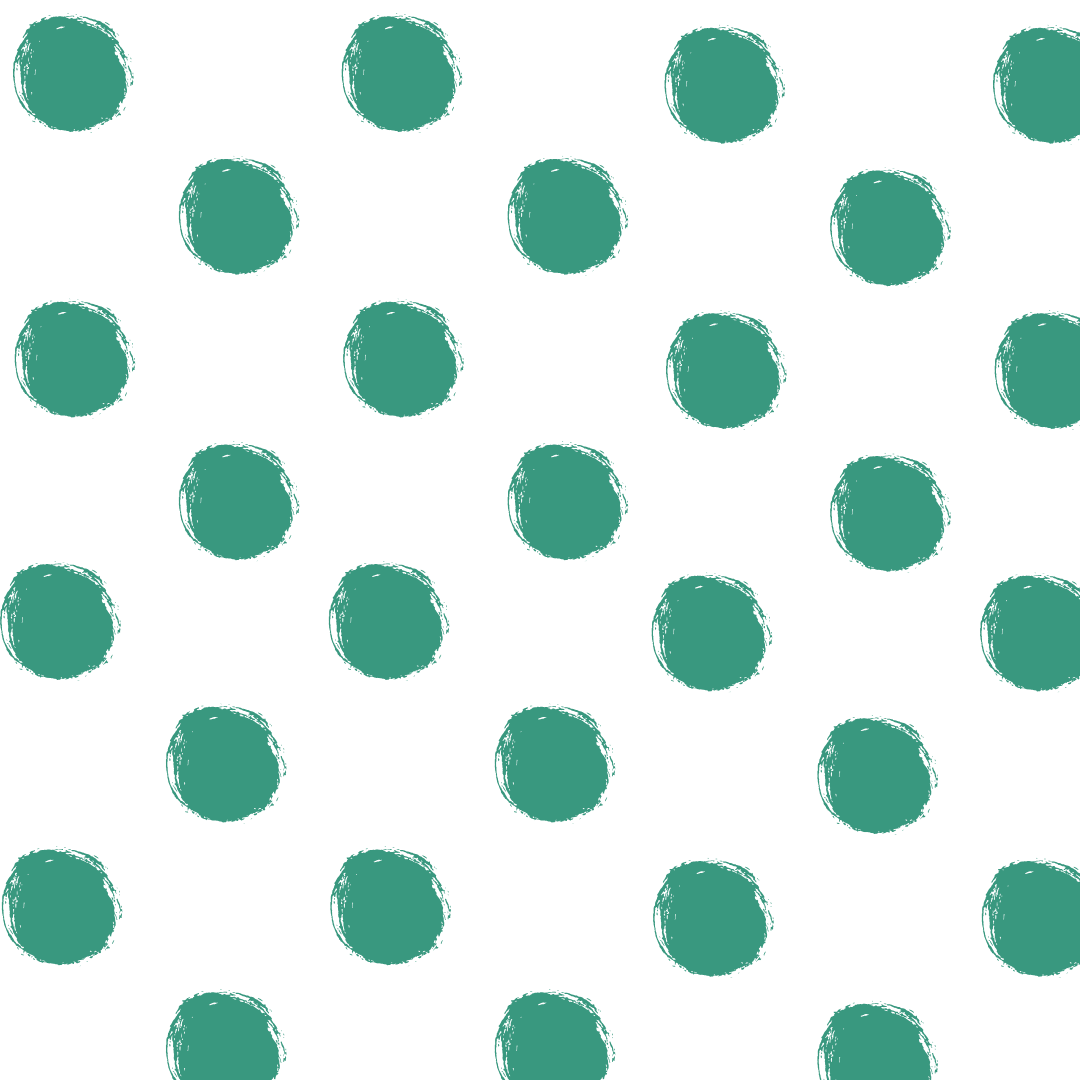
- Half‑ drop repeat: Rows of motifs are vertically offset by half the repeat height, creating a staggered layout. This structure helps disguise vertical seams and introduces a sense of movement and flow. It’s one of the most commonly used repeat styles in interior and surface print design, as it feels more dynamic and natural than a straight grid.
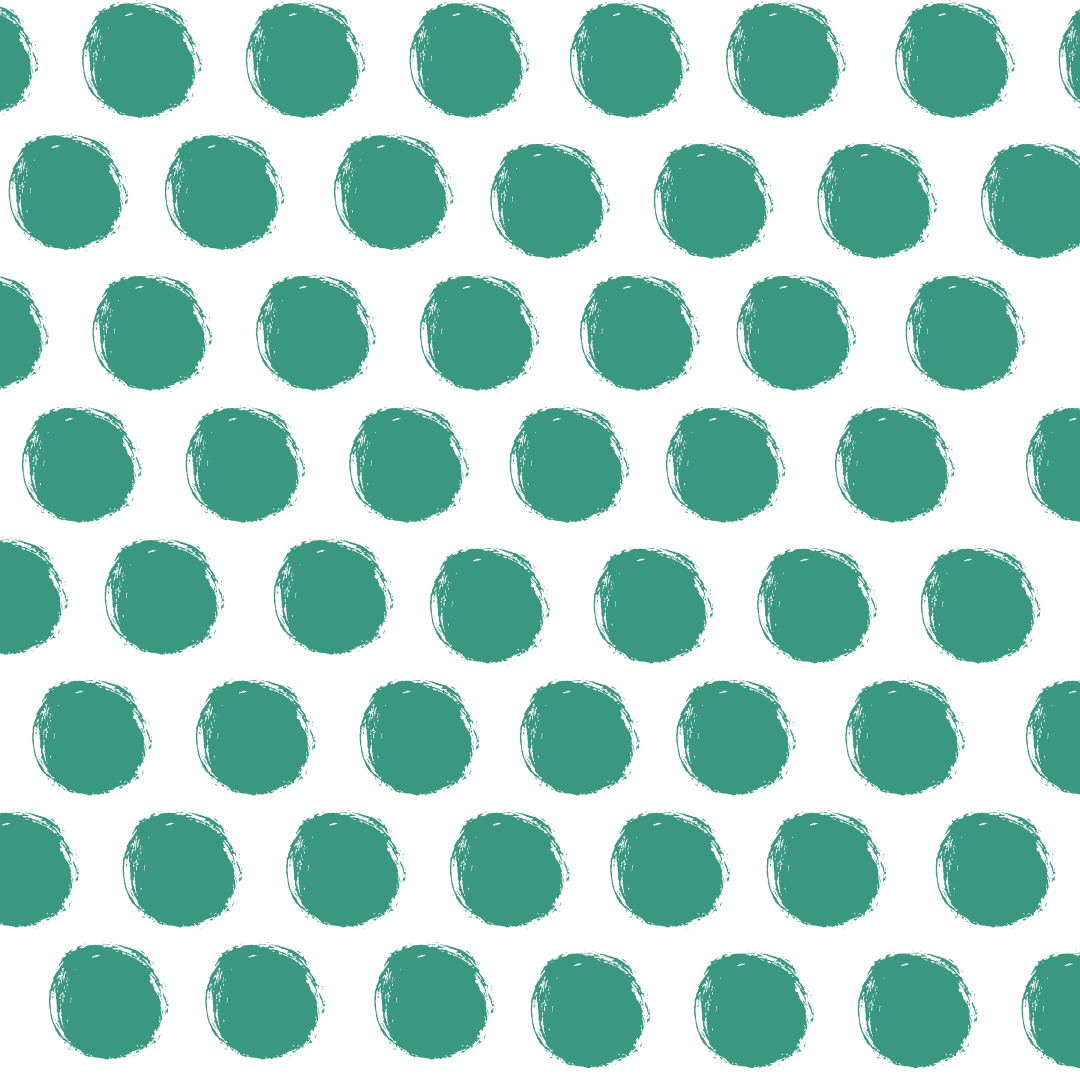
- Brick repeat: Similar to a half-drop repeat, this layout uses a horizontal offset instead of a vertical one. The arrangement resembles a brick wall, creating a strong sense of structure while still avoiding obvious seams. It’s especially effective for rectangular motifs, linear elements, or textural patterns where alignment and rhythm are important.
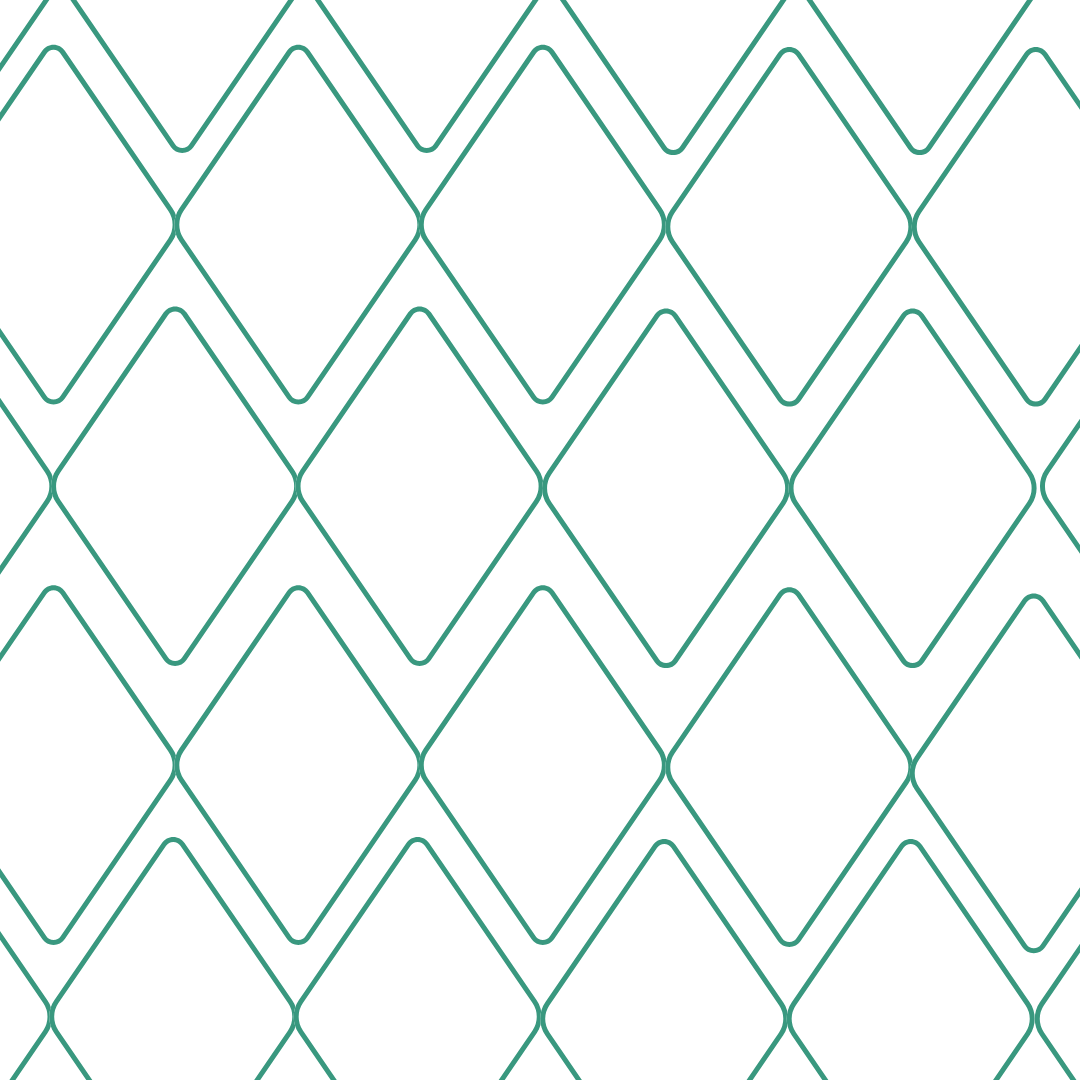
- Diamond repeat: Elements are arranged along a diagonal axis, with the repeat tile forming a diamond set at a 45-degree angle. This dynamic structure creates a sense of movement and elegance, making it particularly well suited to floral designs, ornamental patterns, and Art Deco–inspired motifs.
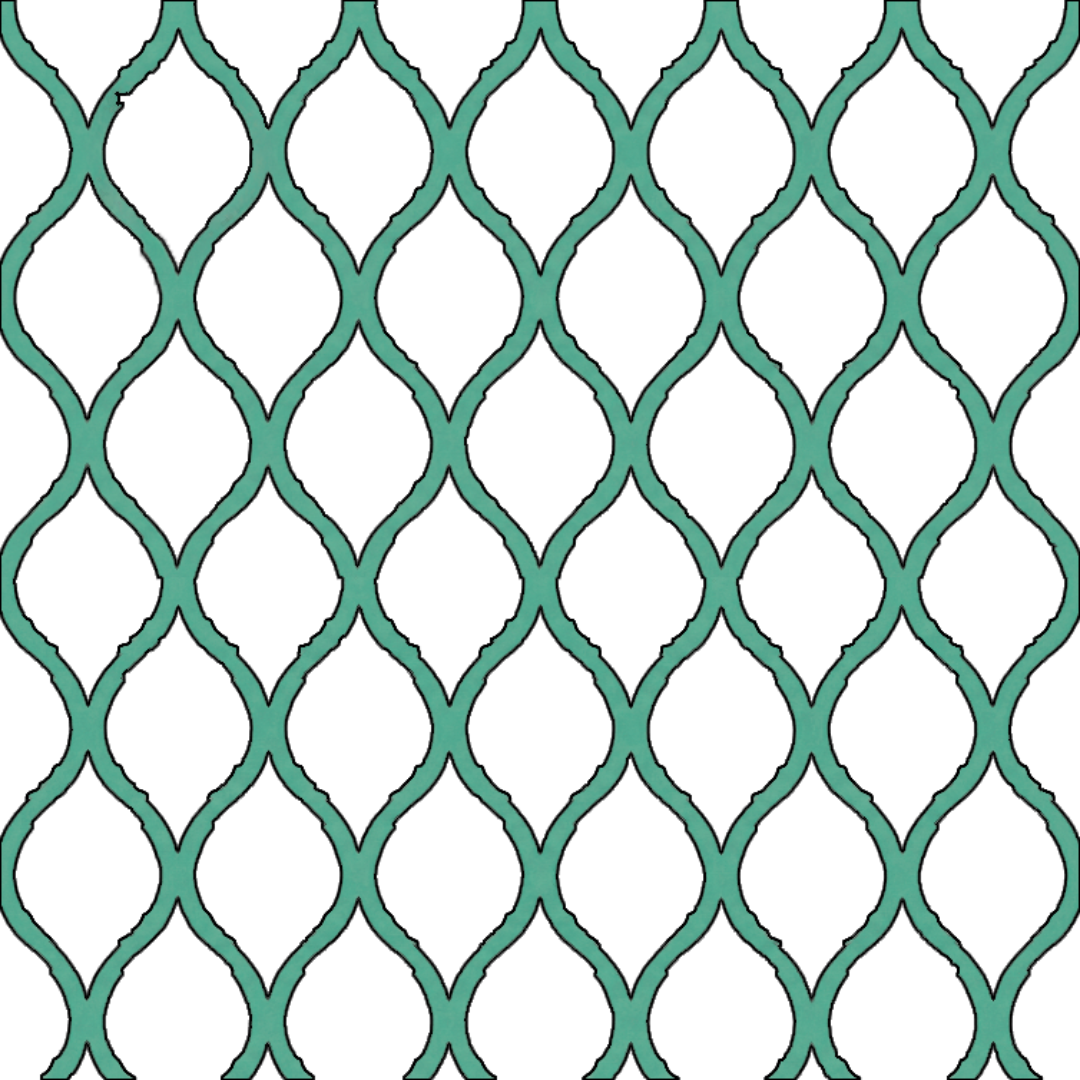
- Ogee repeat: Built on a diamond grid with graceful, curved edges, the ogee repeat creates a flowing, wave-like rhythm. It has a classic, ornamental feel and is most often associated with traditional damask and decorative textile designs.
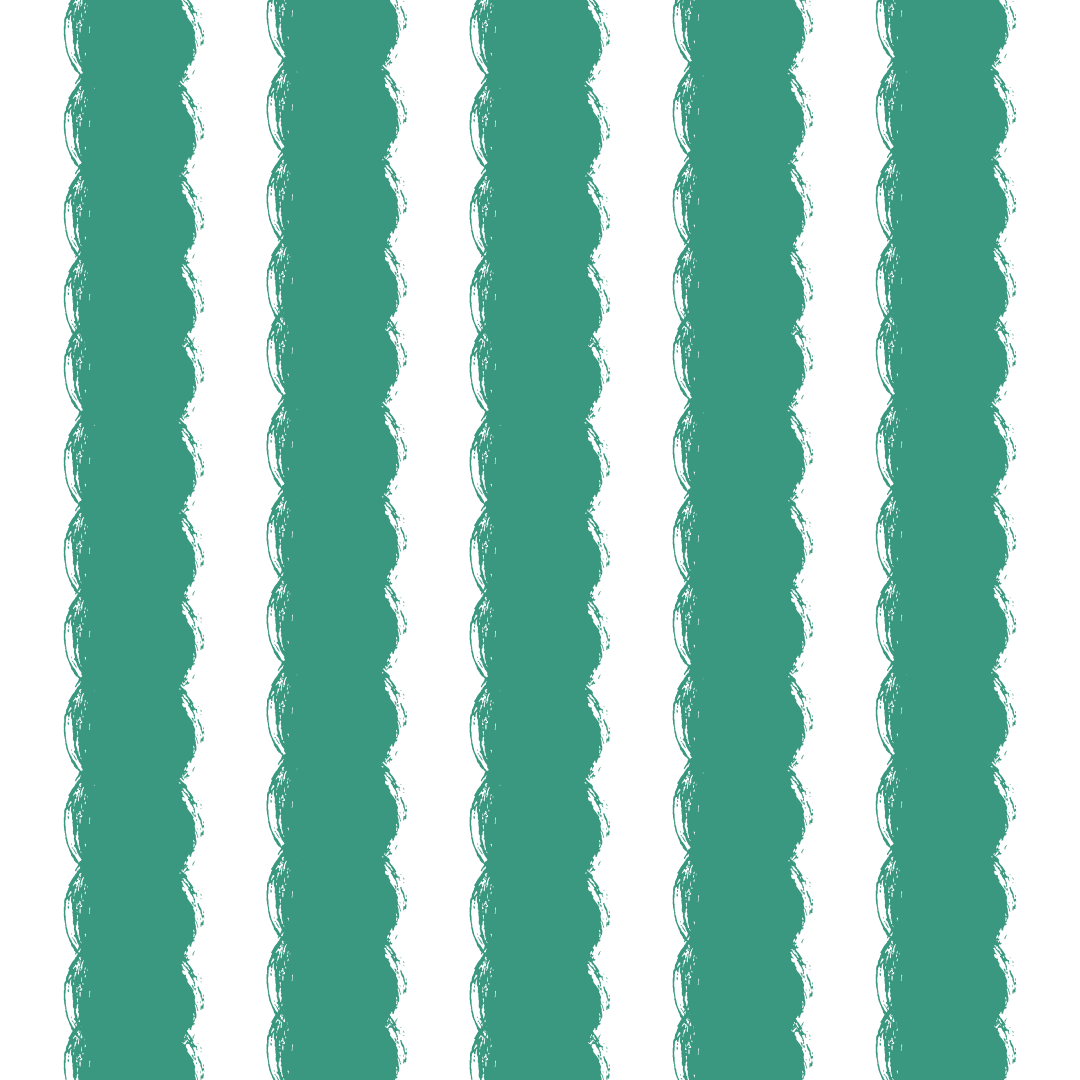
- Stripe repeat: Motifs are arranged in strong vertical, horizontal, or diagonal lines to create a clear directional pattern. Stripes can be as simple as solid color bands or more decorative and complex, incorporating textures such as zigzags, chevrons, or classic awning stripes.
- Tossed/random repeat: Motifs are scattered in a seemingly random arrangement rather than following a strict grid. This layout creates a relaxed, organic feel and adds visual interest, making it especially popular for conversational prints and playful, illustrative designs.
Choosing the right repeat depends on the story you want to tell. Half‑drop and brick repeats help hide seams; diamond and ogee repeats add elegance; tossed repeats evoke playfulness. Experimenting with different repeats will help you decide which structure best complements your motif.
Layouts - controlling direction and flow:
After selecting a repeat style, the next key design decision is the layout - how individual elements are oriented and distributed within the repeat tile. Layout choices influence balance, direction, and flow, and they play a major role in shaping the overall aesthetic and visual impact of the final print.
- All‑over: Motifs are evenly distributed within the repeat unit and seamlessly tile across the surface, all‑over patterns are versatile and minimize fabric waste.
- One‑way (directional): Motifs face one direction (horizontal, vertical or diagonal). They create a strong flow but limit how fabric can be cut.
- Two‑directional: Motifs orient along both vertical and horizontal axes. These designs are reversible; top and bottom can be interchanged.
- Multi‑directional: Motifs face multiple directions, so there is no definitive top or bottom, These repeats maximize yield because fabric can be cut from any direction.
- Engineered/placement prints: The artwork is scaled and positioned specifically for a product, such as a T‑shirt or scarf. Designers plan the placement rather than repeating motifs throughout.
Understanding layout is essential when designing for garments versus home décor. Multi‑directional and all‑over layouts are more forgiving for clothing, while one‑way and engineered prints give you control for targeted statement pieces.
Motif categories - selecting your subject matter
Pattern designers draw from a limitless set of motifs and inspiration, The Pattern Cloud have listed and defined some of the most popular.
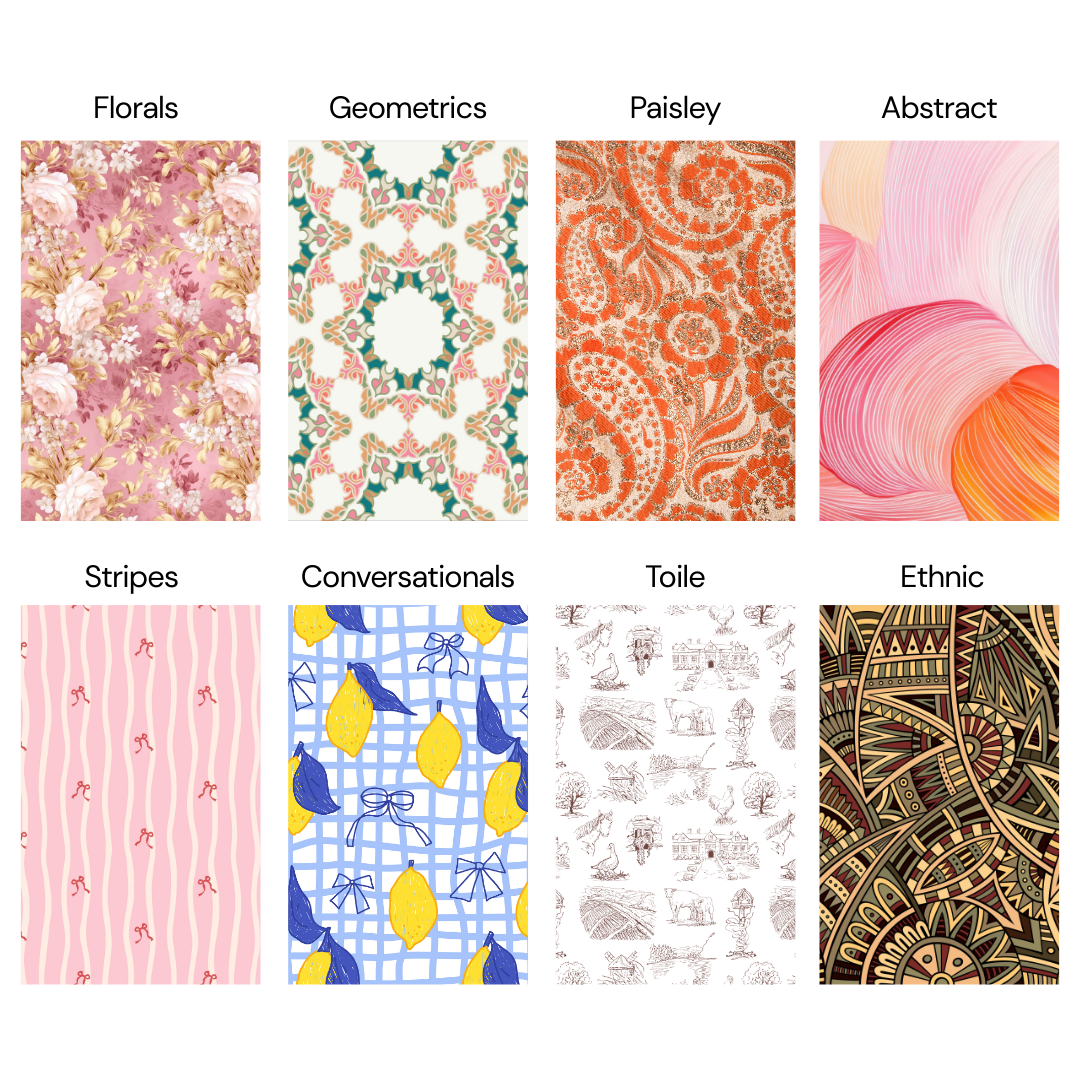
Florals - Probably the most popular print. Includes not only flowers but the broad spectrum of anything botanical. Styles range from ditsy scatter prints to stylized florals inspired by the Arts & Crafts movement.
Geometric - Prints made up of mathematical shapes such as lines, squares, circles, triangles and polygons. Geometric patterns rely on repetition and symmetry; they can be simple grids or intricate tessellations.
Paisley - Features curved, tear‑shaped “boteh” motifs embellished with intricate detailing, The paisley pattern originated in India, symbolizing fertility and eternity and is popular in bohemian and vintage designs.
Abstract - Contains no identifiable forms and is independent of any reference. Abstract motifs feature unrecognizable shapes and layouts, Designers use color, texture and gesture to convey mood and movement.
Stripes - Consist of vertical, horizontal or diagonal lines. Stripes can be solid bands, zigzags, awning stripes or textured bands. They may be balanced, or intentionally irregular.
Conversational - Uses recognisable objects - animals, foods, landscapes, holiday themes or licensed characters. Conversational prints are whimsical and often tell a story.
Toile - A narrative design printed in a single color on a neutral ground. Scenes may depict pastoral, romantic or political themes.
Ethnic - Draws motifs that are specific to a nationality or culture. Examples include folk art, Indian block prints, Japanese shibori, African tribal patterns, Mexican Otomi embroidery and Middle Eastern tessellations.
When choosing a motif, consider your target audience and product. Florals and geometrics are timeless; paisleys and toiles evoke heritage; conversational prints add personality; and ethnic motifs honour cultural influences.
How Historical Eras Inspire Patterns
Many contemporary patterns take cues from historical movements. Pattern and Design highlights several influential eras.
- Arts and Crafts Movement: A reaction against industrialisation, this movement celebrated handcraftsmanship and natural motifs. William Morris’s dense florals and repeat patterns are classics.
- Art Nouveau: Known for intricate, sinuous lines and stylised natural forms.Think of Alphonse Mucha’s swirling women or Maurice Pillard Verneuil’s organic motifs.
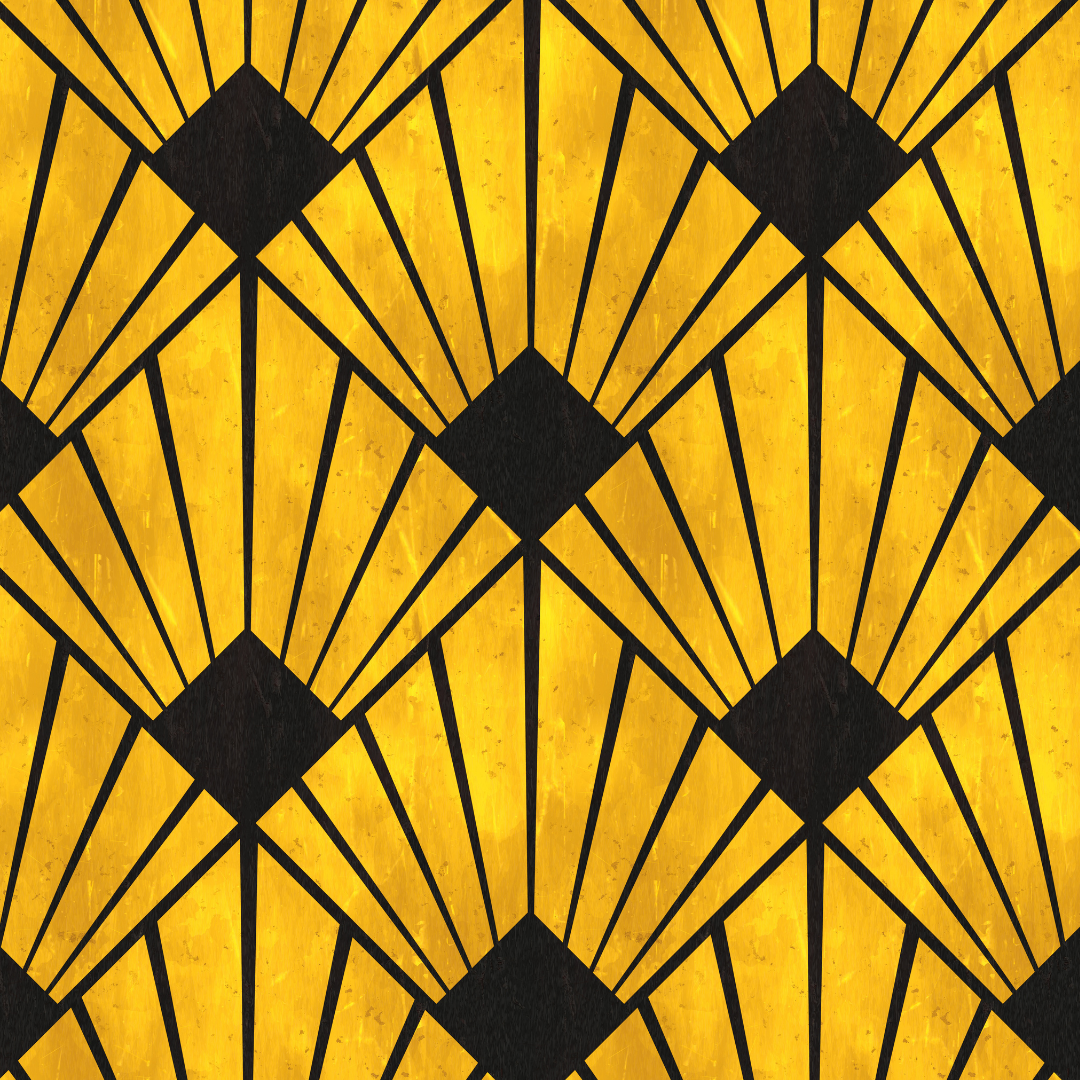
- Art Deco: Characterised by geometric shapes, bold colors and sharply defined outlines. Deco patterns often feature zigzags, sunbursts and glamorous metallics.
- Mid‑Century Modern: Favoring clean lines, simple shapes and organic curves. Mid‑century patterns are restrained yet playful, perfect for today’s minimalist trends.
Drawing from these eras can give your designs timeless appeal. For example, pair Art Deco geometry with a modern color palette or reinvent Arts & Crafts florals with digital techniques.
Patterns Inspired by Culture
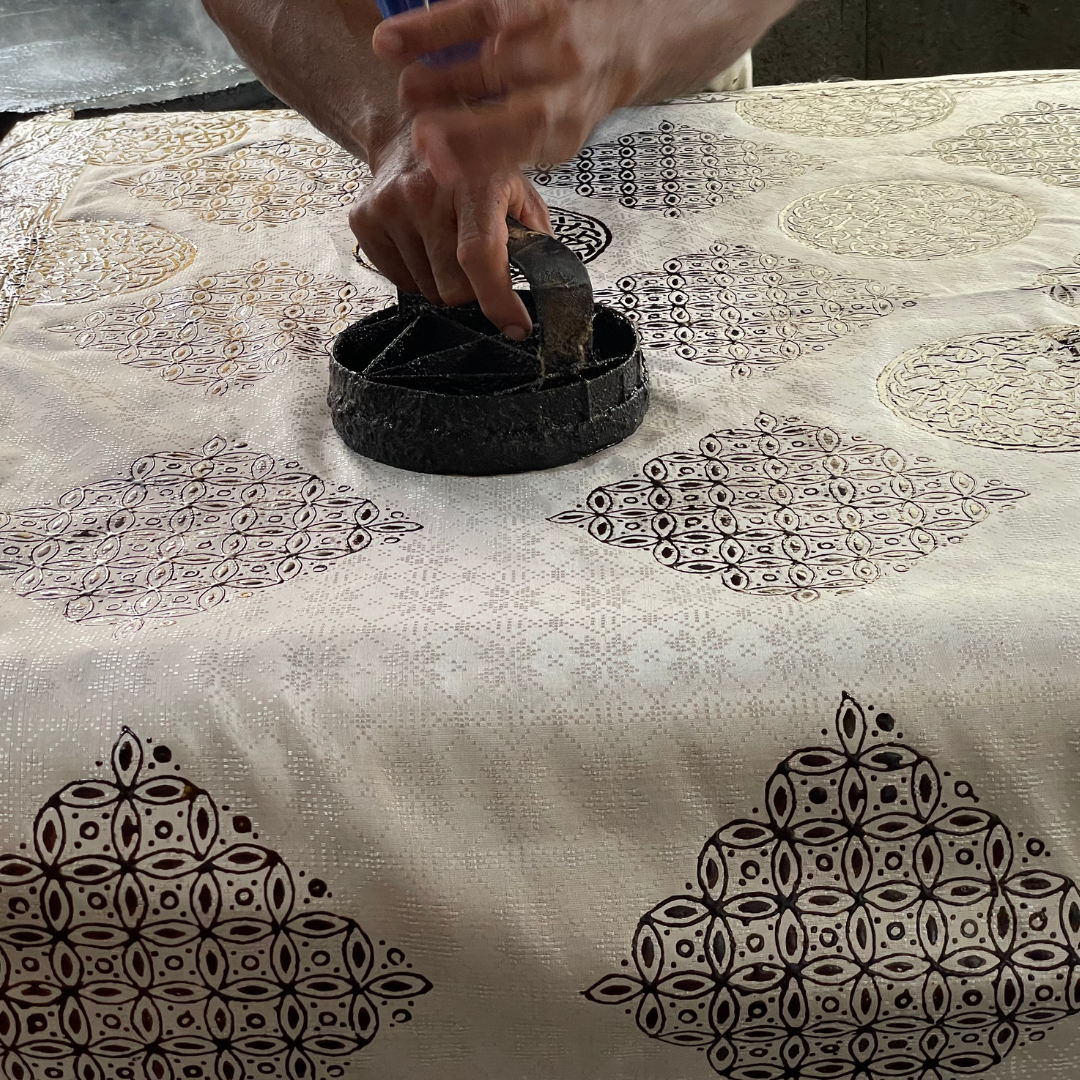
Ethnic patterns draw on motifs rooted in specific cultures and regions, with many of the print techniques we use today originating from distinct geographical traditions. Designing with these influences requires a thoughtful approach - understanding where motifs come from, what they represent, and how to use them respectfully and authentically.
- Folk art - Naive motifs inspired by rural traditions; think Eastern European floral borders or Scandinavian rosemaling.
- Indian - Intricate paisley (boteh), block‑printed florals and mandala-inspired geometrics, commonly known as a Sarasa print.
- Japanese (Shibori) - Indigo tie‑dye motifs with circular or striped patterns.
- African and Tribal - Bold geometric motifs such as zigzag mudcloth, Kuba cloth or Maasai stripes.
- Mexican - Otomi embroidery with stylised animals and florals, often in bright colours.
- Middle Eastern - Arabesque scrolls and tessellated geometrics from Islamic art.
- Indonesian - Batik patterns with wax‑resist florals and swirling tendrils.
When working with ethnic motifs, research the cultural context and avoid direct appropriation. Consider collaborating with artists from the culture you’re drawing inspiration from.
How Surface Patterns Are Produced: Key Textile Techniques
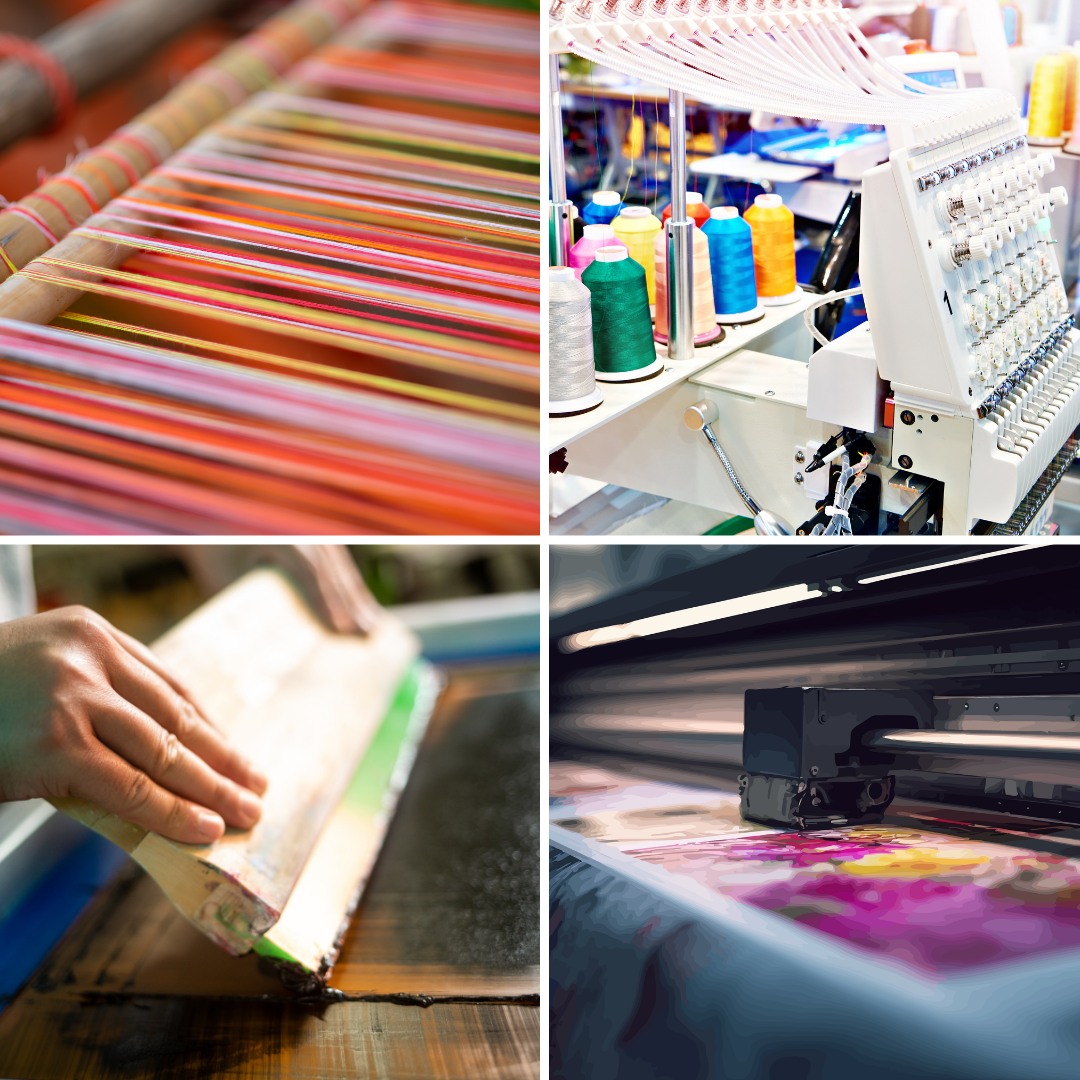
How a pattern is produced affects its appearance, handfeel and environmental impact. Key methods include:
- Weaving - interlacing two yarns at right angles to create fabric. The Pattern appears through the weave structure (e.g, stripes, plaids) or by using dyed yarns (ikat).
- Embroidery - Embellishing fabric with needle and thread, embroidered motifs add texture and dimension and can be combined with printed repeats.
- Screen printing - Using a stencil or photo emulsion on a mesh screen; ink is pushed through with a squeegee. Screen printing yields vibrant colors and works well for bold, limited‑color designs.
- Digital printing - artwork is printed directly onto fabric via large‑format ink‑jet printers (either Mimaki or Sublimation). Digital printing allows unlimited color palettes, photographic detail and lower minimum orders. It also reduces waste by printing on demand.
Final thoughts
The world of surface print design is rich and varied. By mastering repeat structures, layout options, motif categories, historical influences and production processes, designers gain the vocabulary to create patterns that are both aesthetically pleasing and commercially viable. Whether you’re drawn to half‑drop geometrics, Art Deco stripes or digitally printed paisleys, embracing the diversity of pattern types will expand your creative toolbox and help you craft designs that resonate with your audience.
Looking for a way to sell your patterns?
Learn how The Pattern Cloud empowers designers to showcase and sell their surface pattern designs efficiently through a streamlined, industry-focused platform.
We offer personalised one-to-one ‘Industry Insight' calls with our Pattern Cloud representatives, available 9:00am - 4:00pm, Monday to Thursday, where you can get expert guidance on selling your designs online and maximising commercial opportunities.
Book your call today and take the next step in building your design business with confidence.